
Torchlight: Infinite Iris 2 Build: Skills & Gear Guide
Shape a Torchlight: Infinite Iris 2 build around active spirits, attack speed, and steady recovery. Learn skill roles, gear priorities, and boss tactics.
Jump to
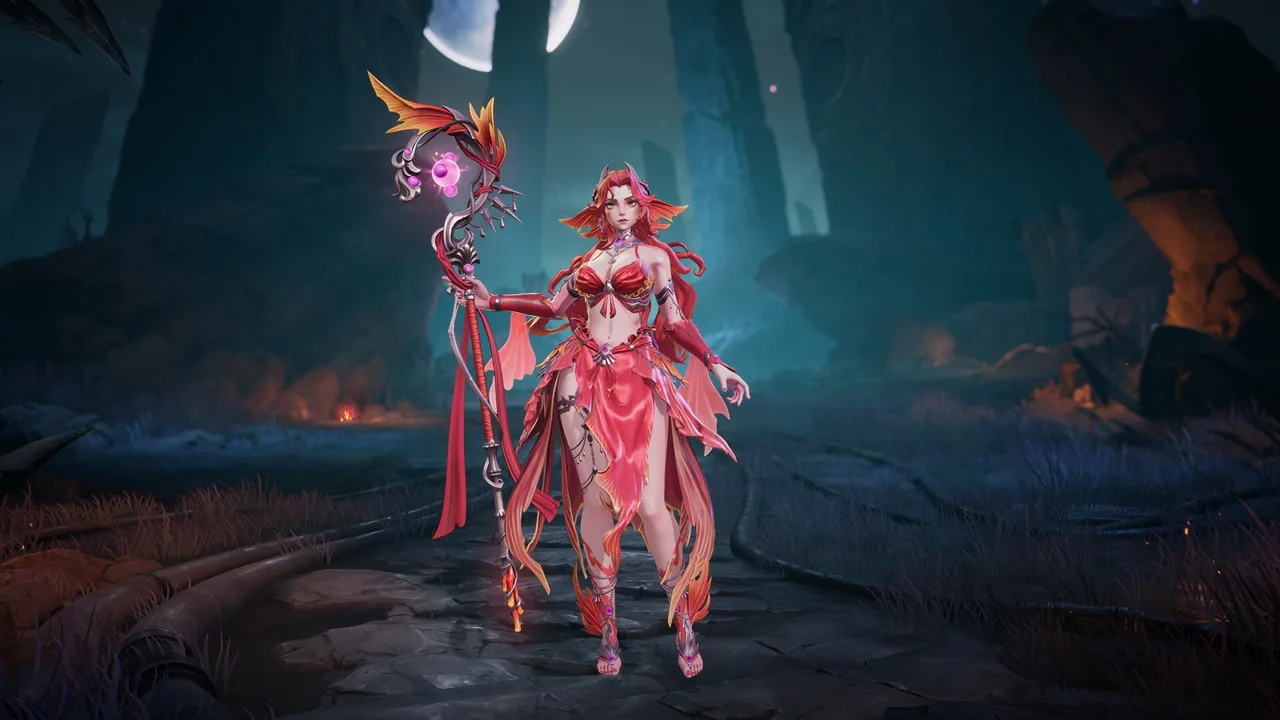
Iris 2 Build Overview and Core Skills
Take control of your spirits and keep their ultimates rolling with a Torchlight: Infinite Iris 2 build built around movement and sustained pressure. Attack speed, regeneration, and positioning matter because every interruption cuts into your army’s damage. This Torchlight: Infinite Iris 2 build follows the Season 11 lightning setup, with an eventual rock transition focused on control and survivability.
Iris 2 is Vigilant Breeze, the hero variant that merges with spirits and lets you participate directly in their combat. Your job is to keep the army active while moving through dangerous encounters. Reposition to maintain your spirits’ uptime while avoiding dangerous mechanics.
For Tartarus, Iris 2 remains a strong minion character with expensive scaling potential. Keep the Season 11 setup’s progression separate from that broader appeal, especially when shopping for specific equipment.
Build Around the Thunder Magnus Ultimate
The lightning setup for this Torchlight: Infinite iris 2 build centers on the Thunder Magnus ultimate. Its other attacks support the overall cycle, but the ultimate is the damage source you are building around.
| Skill | Role in the Season 11 setup | How to use it |
|---|---|---|
| Machine Army | Supports coordinated summon behavior | Keep it central to the army setup |
| Dazzling Bloom | Movement and repositioning | Move through encounters while maintaining pressure |
| Summon Machine Guard | Frontline protection and space | Keep guards active around dangerous packs |
| Summon Thunder Magnus | Main lightning damage dealer | Scale its ultimate and maintain uptime |
| Summon Frost Magnus | Slows enemies and adds control | Use its control to stabilize crowded fights |
| Summon Erosion Magnus | Sustained pressure against durable enemies | Maintain its contribution during longer encounters |
Precise Erosion Amplification and Hounding Abomination also belong to the Season 11 setup’s boss damage package. Keep their sustained damage contribution in mind when evaluating an upgrade; a stronger individual hit does not automatically improve the whole fight.
Prioritize uninterrupted ultimate cycles. When the build feels slow, check attack speed and recovery before replacing a useful defensive piece with another damage item.
Official page: Torchlight: Infinite (torchlight.xd.com)
Talents, Hero Traits, and Defensive Layers
The Torchlight: Infinite Iris 2 build combines minion scaling with armor and recovery. Those defensive layers support an aggressive playstyle by giving you more room to reposition without abandoning the fight.

The Season 11 talent framework uses God of Machines, Alchemist, and Lich, with the Steel Bone card supporting its armor investment.
| Talent or card | Contribution | Build focus |
|---|---|---|
| God of Machines | Minion damage and durability | Strengthen the army’s foundation |
| Alchemist | Sustained damage and erosion interactions | Support pressure during longer fights |
| Lich | Energy shield, sustain, and recovery | Improve survival when encounters become messy |
| Steel Bone card | Armor support | Reinforce the armor defensive layer |
God of Machines anchors the mechanical summoner setup. Machine Guards need to survive long enough to create space, while your damage summons need enough support to remain effective.
Alchemist supports the build’s sustained pressure. Lich adds recovery and energy shield support, complementing the armor investment rather than replacing it.
Give Recovery Its Own Upgrade Budget
The Season 11 setup pairs Vigilant Breeze with The Happiest Reunion and Nurturing Breeze. Their emphasis is spirit interaction, sustain, and maintaining a smoother combat cycle.
Resolve regeneration before committing to the minion transition. A damage upgrade loses practical value when resource pressure repeatedly interrupts your attacks or forces you away from the target.
Check the build under sustained combat conditions. Move, reposition, and maintain your summons through an extended encounter. Watch for interruptions that disappear during short fights but become obvious against bosses.
Armor also deserves deliberate investment. Keep it alongside your recovery tools so that taking a hit does not immediately force a full retreat. Continue dodging dangerous mechanics; use your defensive layers to recover from mistakes and preserve pressure.
Gear and Stat Priorities
Attack speed is the central offensive priority for this Torchlight: Infinite Iris 2 build. In the Season 11 setup, it improves the Magnus attack rhythm and ultimate cycling while making combat feel more responsive.
The Thunder Magnus has 100% physical-to-lightning conversion in this setup. Added physical damage can therefore contribute to its lightning output. Applicable added elemental damage also provides scaling options.
Check modifier wording carefully when comparing equipment. Choose bonuses that apply to your summons and their attacks rather than assuming every damage roll benefits the army.
| Stat or item | Contribution in the Season 11 setup | Upgrade direction |
|---|---|---|
| Attack speed | Faster attacks and smoother ultimate cycling | Address sluggish combat early |
| Origin of the Magnus effect | Important Magnus scaling | Build into it as the setup develops |
| Applicable added physical or elemental damage | More damage for the lightning setup | Compare rolls that benefit your minions |
| Minion damage | Strong early offensive scaling | Use it to establish damage |
| Armor and regeneration | Durability and sustained combat | Maintain both alongside offense |
| Fiend Crown | Early minion equipment option | Consider during initial gearing |
| The Covenant | Sustain support | Consider when recovery needs attention |
| Horn Ring | Budget damage improvement | Compare before pursuing luxury equipment |
| Miniature Void Sea | Minion scaling and recovery interactions | Pursue after establishing the core |
| Troublemaker | Greater pressure and speed | Add as a luxury upgrade |
Miniature Void Sea and Troublemaker are luxury upgrades in this version. Establish the attack rhythm, sustain, and defenses before directing your entire budget toward either item.
Build a Functional Setup Before Chasing Expensive Pieces
Use this order to organize purchases:
- Resolve regeneration and sustained resource pressure.
- Improve attack speed until combat feels responsive.
- Add minion damage and applicable flat damage.
- Strengthen armor and recovery for harder encounters.
- Invest further in Magnus effect scaling and luxury equipment.
Treat this as a shopping framework, with your current weakness deciding the next purchase. If summons are attacking smoothly but you keep retreating to recover, improve sustain before adding another offensive modifier.
Summon count also matters where your modifiers explicitly scale from it. Maintain the minions and golems that support those interactions. Read the relevant bonuses before sacrificing a summon slot for another utility option.
Prism and Pactspirit Choices
Prism upgrades are another major scaling component of the Torchlight: Infinite Iris 2 build. The Season 11 priorities mirror the rest of the setup: attack speed, minion damage, projectile scaling, and Origin of the Magnus effect.
 Image: Steam / XD
Equip a useful Prism while improving your gear. Waiting for an ideal combination delays bonuses that can already improve the ultimate cycle.
| System | Supported direction | What to prioritize |
|---|---|---|
| Prism | Attack speed and minion damage | Responsive combat and stronger summon attacks |
| Prism | Projectile scaling | Support the Thunder Magnus damage package |
| Prism | Origin of the Magnus effect | Develop Magnus-focused scaling |
| Pactspirits | Sustain and stability | Address recovery or inconsistent combat |
| Pactspirits | Offensive power | Improve kill speed once survival is comfortable |
| Kismet/Fates | Further Pactspirit development | Add scaling after the core setup functions |
Choose Pactspirits around the problem you are currently solving. Use a stability option when combat feels fragile or difficult to sustain. Favor damage when your army stays active and you can maintain pressure comfortably.
The Season 11 setup includes Sprite of Silent Veil as a comfort and consistency choice. That role fits a character whose damage depends heavily on maintaining a stable combat loop.
Kismet, also called Fates, extends this progression. Buckwheat is part of the early Season 11 arrangement, with an approximately 16% damage increase attributed to that setup. Keep that figure tied to the configuration; it is not a universal increase for every Iris character.
Avoid evaluating these systems in isolation. Compare an offensive upgrade while maintaining the same summon activity and attack cycle. Otherwise, a change in uptime can obscure what the upgrade actually contributes.
Mapping, Bossing, and the Rock Transition
Play the Torchlight: Infinite Iris 2 build with constant attention to your position and your spirits. Merge with them, move through encounters, and preserve the ultimate cycle as enemies change position.
During mapping, let Machine Guards create room while the Thunder Magnus handles damage. Use Dazzling Bloom to reposition through the encounter. Keep Frost Magnus control available to make dangerous packs easier to manage.
Keep Pressure on Bosses
Boss fights reward sustained contact. Focus on keeping your summons active and their ultimates cycling while you handle mechanics.
Use this combat checklist:
- Maintain the summons that support your damage and summon-count interactions.
- Reposition with Dazzling Bloom when mechanics threaten your current location.
- Keep your damage spirits engaged as you move.
- Watch recovery during extended pressure.
- Judge upgrades by the time you can spend attacking safely.
If the boss survives longer than expected, check uptime before buying another damage item. Frequent retreats, inactive summons, or gaps between ultimate cycles can undermine an otherwise strong setup.
Decide When to Move From Lightning to Rock
The Season 11 progression begins with lightning and later moves toward rock for positioning, safety, and consistency. The swap can reduce displayed damage while making difficult encounters easier to sustain.
Compare actual fight behavior before committing. Track how often you disengage, how reliably your spirits stay active, and how comfortably you can reposition.
Keep lightning while it delivers smooth clears and manageable boss encounters. Consider rock when control and survival are the obstacles preventing you from maintaining pressure.
Bring the supporting recovery and equipment along with the transition. Changing the damage spirit alone does not resolve a weak defensive foundation.
FAQ
What is the core of a Torchlight: Infinite Iris 2 build?
The Season 11 lightning setup revolves around the Thunder Magnus ultimate, supported by attack speed, regeneration, and Magnus effect scaling. Iris 2 merges with spirits, so movement and positioning are active parts of maintaining damage.
Is Iris 2 a good season starter?
Iris 2 remains a strong minion option for Tartarus, with expensive scaling potential. Establish recovery and attack speed before pursuing luxury equipment, and compare early purchases against the specific problem holding your character back.
Should I prioritize attack speed or minion damage?
Prioritize attack speed when attacks and ultimate cycles feel sluggish. Minion damage provides strong early scaling, but a responsive attack cycle and dependable sustain help you use that damage consistently.
Should I switch from lightning to rock immediately?
Begin with the lightning progression described for Season 11. Consider the rock transition when positioning, safety, and sustained uptime become more valuable to your encounters than the higher displayed damage of your lightning setup.
Continue with
 Torchlight: Infinite Leveling Builds for Tartarus S14Explore Torchlight: Infinite leveling builds for Tartarus S14, with Mind Control gear priorities, Blur talent swaps, and a clear path into Timemark 1–7.
More in Builds

Torchlight: Infinite Best Builds for Tartarus Season
Explore Torchlight: Infinite best builds for Tartarus, from fast melee starters to cold casters and mobile minions. Pick your hero and plan smart upgrades.
Torchlight: Infinite Erika 1 Build: Fast T8 Farming
Explore the Torchlight: Infinite erika 1 build, including lightning scaling, Multistrike, key gear, and practical tips for tackling Timemark 8 on a budget.
Torchlight: Infinite Hero Tier List: SS14 Top Picks
Use this Torchlight: Infinite hero tier list to compare SS14 Tartarus picks, proven endgame results, starter options, and the traits worth playing next.
Torchlight: Infinite Minion Build: Iris 2 & Moto Guide
Find your Torchlight: Infinite minion build with Iris 2 skill priorities, gear upgrades, and active combat tips, plus Moto 2 and Sage options for Tartarus.
Join the community
Game links and player communities: