
Torchlight: Infinite Beginner Guide: 12 Starter Tips
This Torchlight: Infinite beginner guide covers hero traits, skills, gear, and Tartarus basics to help you clear the campaign and prepare for endgame play.
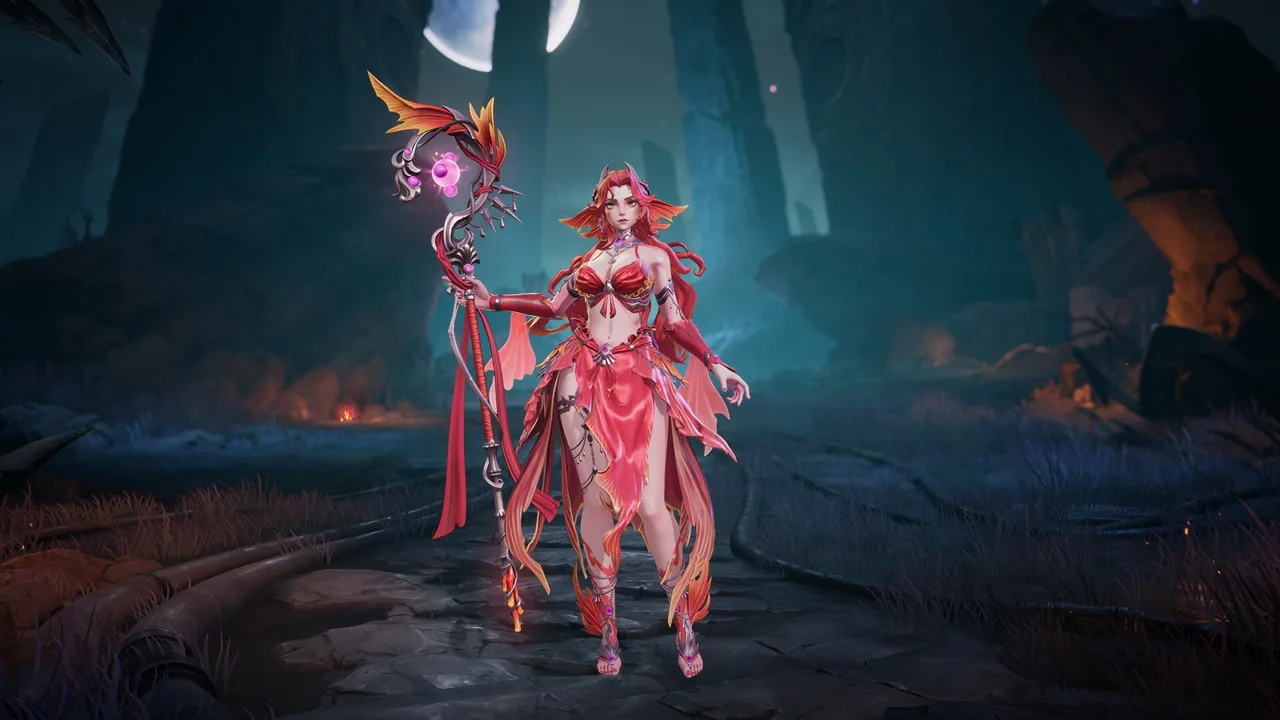
Early Game: Choose Your Region, Mode, and Hero
Your campaign gets much smoother when your hero trait, main skill, and equipment support the same plan. This Torchlight: Infinite beginner guide walks you through those decisions so you can spend more time fighting and less time untangling menus. Use this Torchlight: Infinite beginner guide to set up your character, avoid missed rewards, and prepare for Tartarus.
1. Pick the region closest to you
In this Torchlight: Infinite beginner guide, choose the server region near your location. The server selection screen’s latency readings can fluctuate as they refresh, so avoid jumping to a distant region because of one unusually attractive reading.
Start with your nearby region and give the display time to update. Responsive movement matters when you need to step out of a boss attack or reposition between enemy packs.
2. Start with seasonal trade
For your opening character, choose the current seasonal trade mode. Trading gives you access to equipment from other players through the Trade House. Leave Hardcore for a run where you already understand the combat and progression.
Tartarus launches October 16. Its additions include prison management, Followers, and Youga’s new hero trait, The Ultimate One.
Download the game through the Torchlight: Infinite Steam page if you’re starting on PC.
3. Read the exact hero trait before committing
A hero’s name tells you only part of the story. Different traits give the same character different mechanics, so match a build’s full trait name when choosing your character.
| Hero | Trait examples | Defining theme |
|---|---|---|
| Rehan | Anger, Seething Spirit | Rage and ancestral power |
| Carino | Ranger of Glory, Lethal Flash, Zealot of War | Firearms and ammunition |
| Gemma | Ice-Fire Fusion, Frostbitten Heart, Flame of Pleasure | Fire and ice |
| Moto | Order Calling, Charge Calling | Commanding mechanical troops |
| Youga | Spacetime Illusion, Spacetime Elapse, The Ultimate One | Spacetime powers with distinct trait mechanics |
Read the trait details before choosing your main skill. For The Ultimate One, Youga uses a Clockwork Core and three development paths; copying a setup built around his parallel selves would miss that distinction.
Combat: Equip Upgrades and Respect Boss Attacks
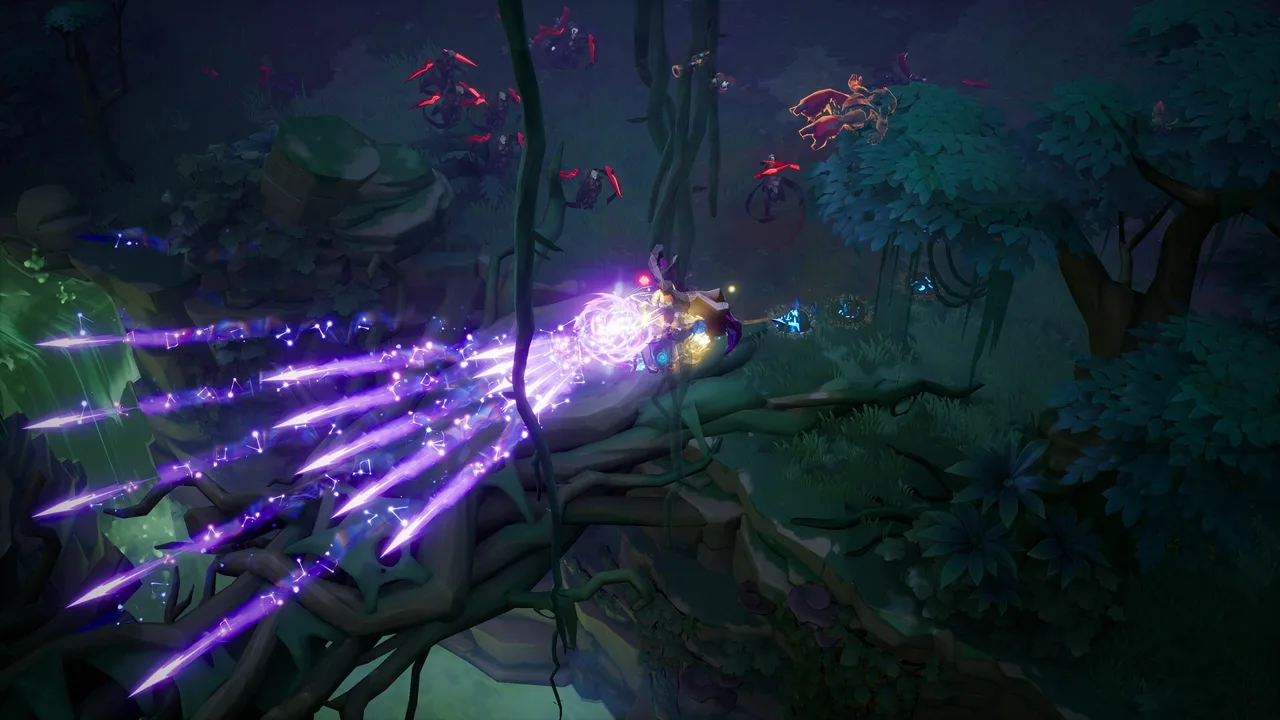 Image: Steam / XD
4. Put your early equipment on immediately
Open your inventory when equipment drops and fill empty slots. Early encounters give you limited room to compensate for missing defenses.
Equipment comparison arrows help you spot potential upgrades quickly. Use them to shortlist items, then read the actual modifiers. An improvement to an irrelevant damage type does little for your main attack.
Energy shield provides an additional defensive buffer early in the campaign. Take useful defensive upgrades alongside damage improvements, especially if ordinary enemies are forcing you to heal repeatedly.
Before retrying a difficult encounter, check:
- Empty equipment slots
- Newly acquired weapons and armor
- Available support slots
- Unspent talent points
- Your equipped movement skill
This Torchlight: Infinite beginner guide puts those checks ahead of extended farming because they address power you already have available.
5. Move out of heavy attacks before resuming damage
The opening boss can punish you for standing still, particularly on a melee character. Watch for the large attack, move into safety, and resume attacking after it passes.
Avoid dragging a crowd of nearby enemies into the fight. Extra enemies make it harder to read the boss and find room to move.
Pay attention to your healing skill’s charges. Early healing can depend on kills to replenish charges, so spending them carelessly leaves fewer recovery options during a boss encounter.
Equip your movement skill when it becomes available. Use it to reposition deliberately, and keep your attention on where the next attack will land.
Skills and Talents: Build Around One Damage Plan
 Image: Steam / XD
6. Choose a primary damage skill
Pick one main damage skill and build around its tags. Check whether it is an attack or spell, then identify the damage type and other relevant properties.
For example, if your main ability deals spell damage, prioritize modifiers that explicitly benefit that skill. A powerful-looking attack modifier needs the right interaction to help a spell setup.
Keep a movement skill and useful supporting abilities available, but concentrate your damage investment. Spreading resources across unrelated abilities makes equipment and talent choices harder to evaluate.
7. Fill compatible support slots
Support skills modify linked abilities. They can improve damage or add utility, but compatibility matters.
| Skill type | What it does | What to check |
|---|---|---|
| Active | Provides an ability you use | Its tags and role in your build |
| Support | Modifies a compatible linked skill | Whether it benefits the linked ability |
| Passive | Can be linked to support skills | Its contribution to your setup |
| Trigger | Can be linked to active and support skills | Its conditions and supported links |
Energy comes from leveling and equipment and helps expand your skill setup. Revisit the skill panel as you progress, especially when the interface highlights an empty slot.
Use this sequence when adding a support:
- Select your main skill.
- Read its tags.
- Read the support’s requirements and effects.
- Link a compatible support.
- Check the resulting skill details.
Skills become available through quest rewards and the skill shop in the hideout. Check those options when your setup needs a specific addition.
8. Spend talents toward a clear goal
Talent panels contain smaller stat bonuses and larger defining choices. Additional panels unlock through leveling.
Read the panel’s tags before investing. For a spellcaster, Goddess of Knowledge includes bonuses associated with intelligence, spells, and mana. Follow the bonuses that serve your actual skill rather than collecting unrelated increases.
Use the same filter throughout this Torchlight: Infinite beginner guide: identify what deals your damage, then choose talents that strengthen it.
Include defenses when survival becomes a problem. If you keep dying during a fight, inspect defensive options alongside offensive nodes instead of automatically spending every point on damage.
Resources: Collect Progression Rewards and Manage Loot
 Image: Steam / XD
9. Complete Treasure Troves and claim progression rewards
Look for the golden portals leading to Treasure Troves. Their initial completion awards talent points, making them valuable campaign detours.
Clear each newly encountered Trove before moving on. These areas also offer legendary equipment, and the reward preview helps you evaluate further challenges.
Avoid repeatedly chasing a rare leveling item while your current equipment handles the campaign comfortably. Collect the progression reward, inspect the loot, and continue.
Keep checking Path of Progression as well. Its objectives provide rewards including passive points and Pactspirit-related resources. Claim completed stages so those benefits become part of your character’s progression.
10. Compare modifiers before recycling
Equipment rarity alone does not determine whether an item fits your build. Read what the item changes.
| Equipment feature | What to inspect | Action |
|---|---|---|
| Weapon damage modifiers | Compatibility with your main skill | Choose bonuses your skill uses |
| Life and energy shield | Defensive contribution | Improve survivability when fights demand it |
| Specialized modifiers | Interaction with your trait and skills | Read the full effect before swapping |
| Energy | Contribution to your skill setup | Check available links after equipment changes |
| Comparison arrows | Suggested offensive or defensive improvement | Inspect highlighted items before equipping |
A legendary with an unrelated effect can be less useful to your character than equipment with relevant modifiers. Compare the complete item rather than letting its color make the decision.
Recycle unwanted equipment through the inventory’s recycling function. Check selections before using bulk recycling so you keep anything intended for another setup or sale.
The resource lesson in this Torchlight: Infinite beginner guide is to make each pickup serve a purpose: equip it, retain it for a specific use, trade it, or recycle it.
Tartarus: Claim Welcome Gifts and Learn the Prison Loop
11. Collect the seasonal welcome rewards
Tartarus includes daily check-in rewards and seasonal events. Seven consecutive sign-ins award a Legendary Drop Pactspirit Selection Pack.
Season events also offer rewards including 30 Legendary Battle Pactspirit draws, seasonal Drop Pactspirits, upgrade Insignias, and a weapon appearance.
Check the event screens as you progress and read each reward’s requirements. Distinguish daily sign-ins from event objectives so you know which activities advance each reward.
| Tartarus feature | How it works | What to watch |
|---|---|---|
| Daily check-ins | Award seasonal rewards | The consecutive sign-in track |
| Prisoner Nameplates | Come from escaped inmates in the Netherrealm | Your introduction to prison management |
| Prison cycle | Runs through a 20-day sentence before a riot | Inmate development and prison incidents |
| Followers | Recruited through Letters of Introduction from the interrogation room | Skills and attached supports |
12. Learn inmate development before chasing bigger rewards
The Tartarus loop begins with hunting escaped inmates in the Netherrealm and taking their Prisoner Nameplates.
Inside the prison, inmates follow a hierarchy: Mammoth over Lion, Lion over Wolf, and Wolf over Colossal Rat. Feeding stronger inmates develops them toward Chromatic Prisoners.
Torture Instruments and Prison Incidents add further decisions during the sentence. When the 20-day cycle ends, the riot sends you into the central prison complex to fight and earn Warden’s Caches.
Follow the introductory prompts before trying to optimize every interaction. Learn how inmate development changes your prison, then adjust your decisions as you understand the cycle.
Followers add another layer of character development. They use exclusive Tartarus Skills, and skill drops arrive with randomly attached Support Skills. Higher-rank Followers can equip more skills.
Inspect those combinations before choosing a companion for your setup. Keep your own skills, equipment, and talents coherent as you add seasonal systems—the final priority of this Torchlight: Infinite beginner guide.
FAQ
What should I prioritize in a Torchlight: Infinite beginner guide?
Start with your exact hero trait, one primary damage skill, compatible supports, and useful equipment. During the campaign, complete Treasure Troves for talent points and claim Path of Progression rewards.
Which hero should a beginner choose?
Choose a playstyle you want to use, then read the available traits. Rehan centers on rage and ancestral power, Carino on firearms, and Moto on mechanical troops. Match the full trait name when following a build.
Should I defeat every enemy during the campaign?
Follow objectives and fight enemy groups along your route. Slow down for Treasure Troves, useful rewards, or encounters that expose weaknesses in your equipment. Avoid turning every zone into a full-clear requirement.
What is new in the Tartarus season?
Tartarus adds a prison cycle built around escaped inmates, Prisoner Nameplates, inmate development, and a concluding riot. It also introduces Followers and Youga’s The Ultimate One trait, alongside welcome rewards and Trade House improvements.
Continue with
 Torchlight: Infinite Endgame Guide: Progress and FarmUse this Torchlight: Infinite endgame guide to plan Netherrealm progression, farm Flame Elementium, prepare for bosses, and tackle the Tartarus season.
More in Guides
Torchlight: Infinite Leveling Guide: Campaign to Maps
Torchlight: Infinite leveling guide covering campaign XP, Treasure Troves, early maps, and affordable gear upgrades. Save currency and push toward endgame.

Torchlight: Infinite Multiplayer: Co-Op & Loot Guide
Explore Torchlight: Infinite multiplayer, including co-op teams, loot distribution, gifting, and cross-platform play. Plan your run with a friend today.
Torchlight: Infinite Pay to Win: What Spending Buys
Is Torchlight: Infinite pay to win? Learn how Pactspirits affect damage, farming, and free progression, plus what Tartarus rewards mean for your season.
Torchlight: Infinite Worth Playing? Pros, Cons & Gacha
Is Torchlight: Infinite worth playing? Explore fast combat, deep builds, Pactspirit gacha, and Tartarus changes before joining the seasonal loot grind.
Join the community
Game links and player communities: