
Torchlight: Infinite Database Guide to SS14 Tartarus
Use the Torchlight: Infinite database to explore hero traits, skills, gear, and SS14 Tartarus Followers. Plan your build and organize your loot targets.
Jump to
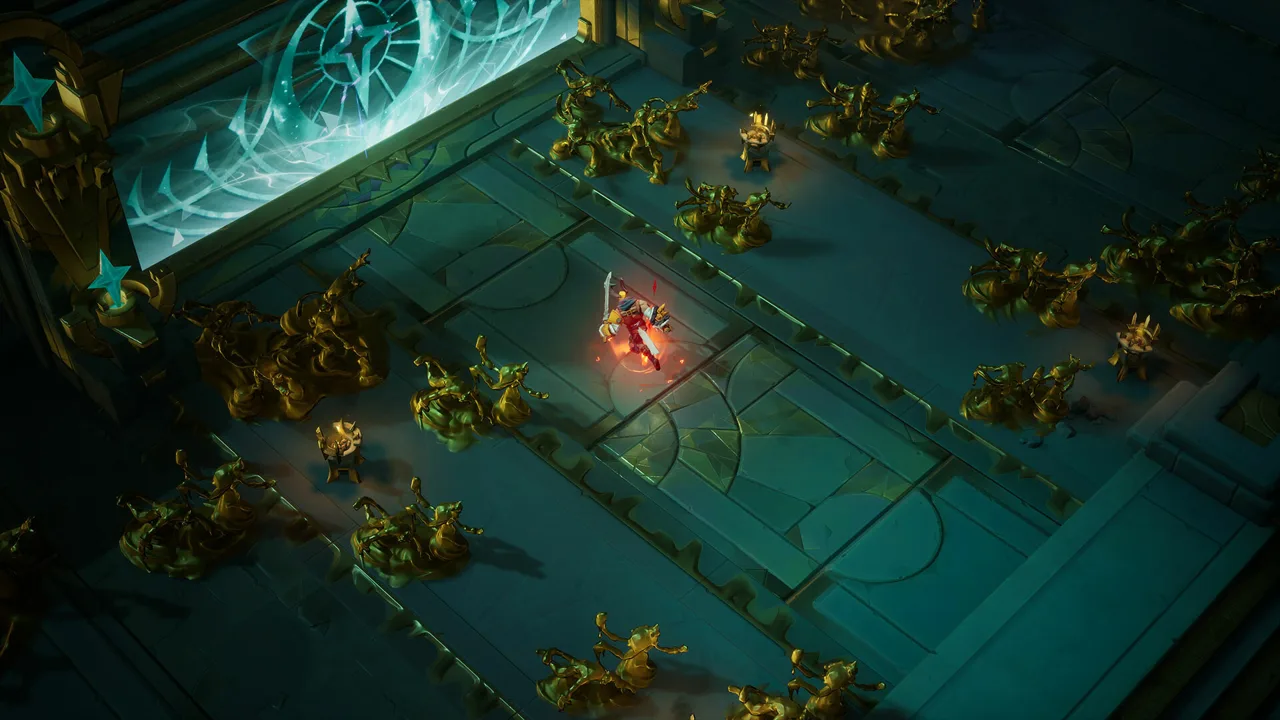
What Can You Find in a Torchlight: Infinite Database?
Your next build starts with knowing what to look up in a Torchlight: Infinite database. Hero traits, skill interactions, and equipment choices matter because they connect the character you want to play with the loot you need. Use this Torchlight: Infinite database guide to organize those decisions, including the new Followers and Youga trait introduced in SS14 Tartarus.
A useful lookup starts with a specific question. Are you comparing two traits for the same hero, checking a weapon category, or sorting out a seasonal item? Narrow that question before browsing. You’ll have a clearer path through the game’s overlapping character, equipment, and progression systems.
The main categories cover much more than legendary gear:
| Category | Content to look up |
|---|---|
| Heroes | Characters and their individual Hero Traits |
| Skills | Active Skills and seasonal skill categories |
| Gear | Armor, weapons, shields, and accessories |
| Character equipment | Hero Memories and Divinity Slates |
| Crafting | Craft-related entries |
| Endgame | Netherrealm, Path of the Brave, and Trials |
| Seasonal systems | Tartarus, Afterlight, Lunaria, and earlier season categories |
Keep the distinction between an entry and a complete build in mind. Finding a skill or equipment category gives you something concrete to investigate. Building around it still means connecting your Hero Trait, talents, skills, and equipment.
For SS14, start with the systems that affect your immediate plans. A returning Youga player has a new trait to examine, while anyone exploring Followers has another set of skills and equipment decisions to understand.
Match Your Hero Trait With Your Talent Choices
Search by both the hero’s name and the exact Hero Trait. Several characters have multiple traits, so the character name alone leaves too much room for confusion.
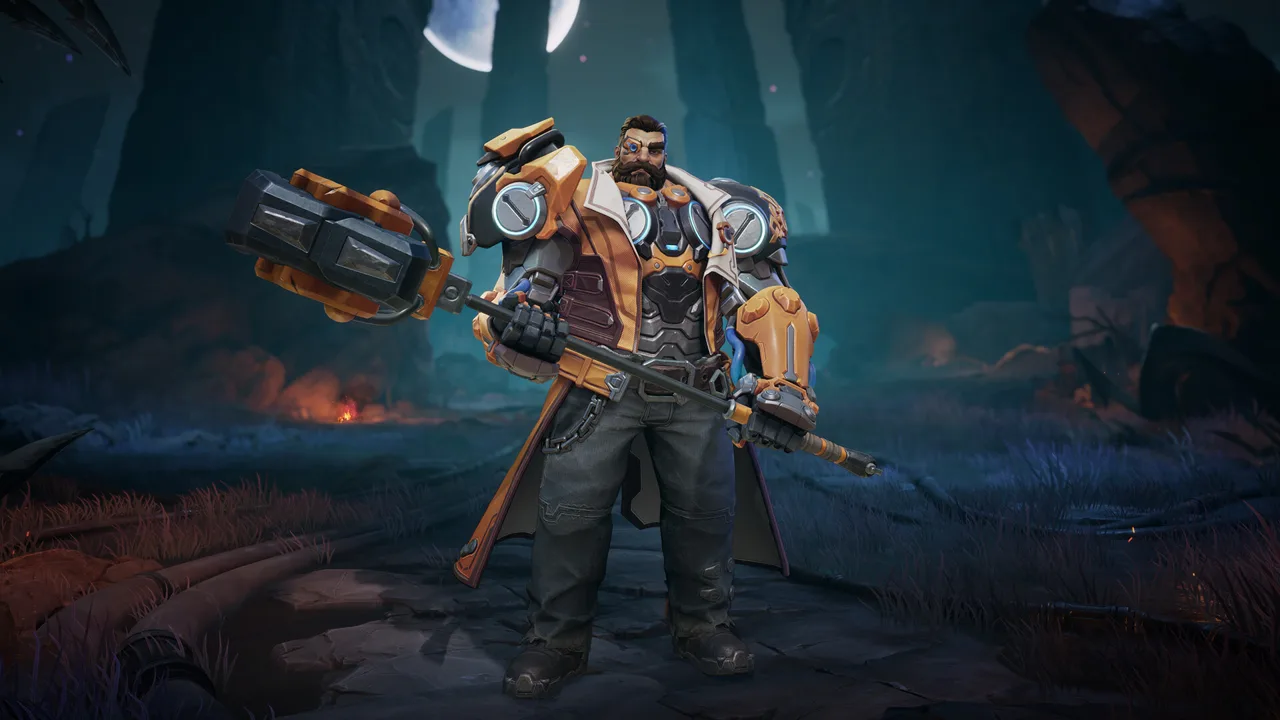 Image: Steam / XD
Youga, for example, has Spacetime Illusion, Spacetime Elapse, and The Ultimate One. Those names belong to the same hero, but identifying the correct trait is essential when organizing a build.
| Hero | Hero Traits |
|---|---|
| Spacetime Witness Youga | Spacetime Illusion, Spacetime Elapse, The Ultimate One |
| Divineshot Carino | Ranger of Glory, Lethal Flash, Zealot of War |
| Frostfire Gemma | Flame of Pleasure, Frostbitten Heart, Ice-Fire Fusion |
| Oracle Thea | Wisdom of The Gods, Incarnation of the Gods, Blasphemer |
| Lightbringer Rosa | High Court Chariot, Unsullied Blade |
| The Forsaken Iris | Growing Breeze, Vigilant Breeze |
| Tide Whisper Selena | Sing with the Tide, Dance of the Deep |
| Scent Weaver Sage | Licorice Note |
Use your Torchlight: Infinite database searches to keep these identities straight before comparing equipment. A shopping list labeled only “Youga gear” skips the trait that gives the build its direction.
What changes with The Ultimate One?
SS14 introduces The Ultimate One for Spacetime Witness Youga. This version hunts alternate versions of himself and takes their power. The trait centers on the Clockwork Core and offers three development paths that can be combined.
Start your planning with that trait’s own mechanics. Keep the Clockwork Core and development paths in your notes, then evaluate your other choices around them.
Talents deserve the same attention to names. The talent categories include God of Might, Goddess of Hunting, Goddess of Knowledge, God of War, Goddess of Deception, and God of Machines. Associated specializations include options such as Warlord, Marksman, Elementalist, Shadowdancer, Warlock, and Machinist.
Record the specific talent category and specialization you’re examining. Precise names make it easier to revisit a choice when you change skills or equipment.
Organize Skills, Gear, and Crafting Lookups
A Torchlight: Infinite database becomes more useful when you separate equipment by slot and type. “Find better gear” is a broad task. “Compare rings for this character” gives you a manageable starting point.

The equipment categories span standard armor and weapons alongside systems such as Hero Memories, Divinity Slates, Destiny, and Ethereal Prism.
| Equipment group | Categories |
|---|---|
| Armor | Helmets, chest armor, gloves, and boots in STR, DEX, and INT categories |
| One-handed melee weapons | Claws, daggers, swords, hammers, and axes |
| Other one-handed weapons | Wands, rods, scepters, canes, and pistols |
| Two-handed weapons | Swords, hammers, axes, Tin Staffs, cudgels, bows, crossbows, muskets, and Fire Cannons |
| Shields | STR, DEX, and INT Shields |
| Accessories | Necklaces, rings, belts, and Spirit Rings |
| Additional equipment systems | Hero Memories, Divinity Slates, Destiny, and Ethereal Prism |
Choose the relevant category before comparing individual items. Keep your current equipment visible in-game while you browse, and write down the exact item names you want to revisit.
Apply the same discipline to skill research:
- Identify the Active Skill you want to build around.
- Check the relevant Hero Trait alongside it.
- Keep seasonal skill categories separate in your notes.
- Review crafting information for the equipment you’re considering.
Avoid turning a long item list into an automatic upgrade list. Compare the actual item text with the role you need that slot to fill. An appealing legendary item still needs to fit the rest of your character.
Keep trade decisions tied to your equipment plan
SS14 adds condition filters and preset sharing to the Trade House. Use those tools to organize searches around the equipment you’ve already identified.
Separate your notes into items you want to equip and items you want to investigate further. That keeps an interesting drop from immediately becoming an expensive build change.
Handle crafting as another decision point. Review the relevant crafting entries before committing materials, and keep the target item beside those notes so the goal stays clear.
Read SS14 Tartarus Entries in Context
As of October 16, 2026, Tartarus is the current SS14 season. Its systems connect Netherrealm encounters, prison management, Followers, and exclusive skills.
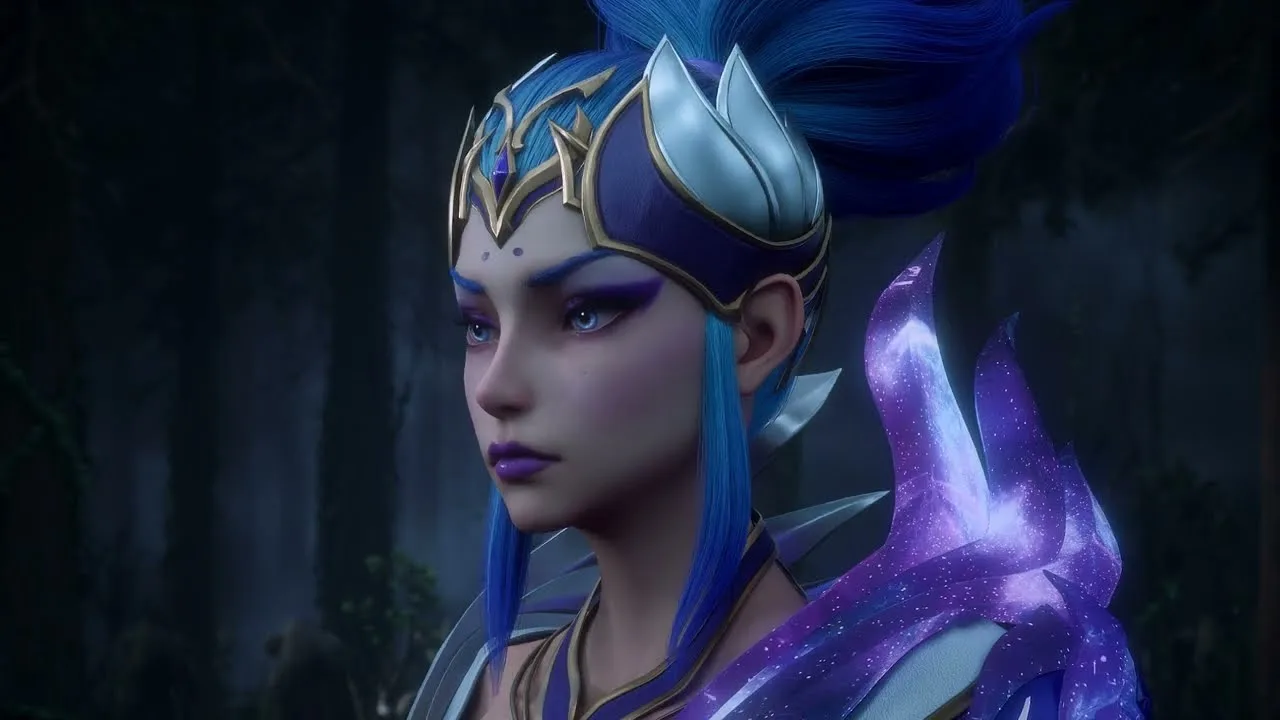
When browsing a Torchlight: Infinite database, keep those connections together. A Prisoner Nameplate, Letter of Introduction, and Tartarus Skill each belongs to a different part of the seasonal experience.
| SS14 feature | How it works |
|---|---|
| Prisoner Nameplates | Collected by hunting escaped inmates across the Netherrealm |
| Prison management | Runs through a 20-day sentence cycle |
| Inmate hierarchy | Mammoth > Lion > Wolf > Colossal Rat |
| Riot | Occurs when the 20-day cycle ends |
| Warden’s Caches | Rewards claimed after defeating the beasts in the central prison complex |
| Letters of Introduction | Bring Followers from the interrogation room |
| Tartarus Skills | Follower skills that drop with random attached Support Skills |
The prison’s 20-day sentence is part of the seasonal gameplay loop. Follow that cycle through to its riot rather than reading it as the length of the season.
Prison management also includes Torture Instruments and Prison Incidents. Track those terms alongside the inmate hierarchy when learning the system. Feeding stronger inmates can produce Chromatic Prisoners, giving you another seasonal category to examine.
Build a separate checklist for Followers
Followers fight alongside you in the Netherrealm and use their own Tartarus Skills. Each skill drop arrives with random Support Skills attached, and higher-ranked Followers can equip more skills.
Inspect the complete skill drop, including its attached supports. Compare that combination with the role you want the Follower to perform.
Follower categories include Lone Wolf, Mammoth, Witch Rat, and Lion Queen. Keep their names distinct from the prison’s inmate hierarchy while browsing; similar animal terminology can make separate entries easy to mix up.
Revisit systems that changed for SS14
Tartarus also changes existing progression. Afterlight becomes part of the core game and receives its own Talent Constellation. Nether King’s Divinity drops more frequently and can be exchanged, while Memory Revival gains result rerolling.
Review those changes before carrying an older resource plan into SS14. Keep historical season entries for understanding their systems, then check the current version’s behavior when deciding what to pursue.
Turn Database Browsing Into a Practical Build Plan
Use a Torchlight: Infinite database to answer decisions you can act on during your next session. Keep a short set of notes organized around your character.
Start with the character you’re actually playing
Write down your hero, exact trait, main skill, and talent choices. This gives every equipment lookup a clear context.
For a new The Ultimate One character, include the Clockwork Core and its three development paths in that outline. For a Follower setup, add the Follower’s rank and the Tartarus Skills you’re comparing.
Pick one equipment question
Choose a slot or equipment system to review. Compare its entries with your current item, then decide whether to investigate crafting, search the Trade House, or keep playing with your existing setup.
Keep exact names in your notes. That makes the next search easier and reduces confusion between similarly named systems.
Separate seasonal goals from equipment goals
List prison management, Follower progression, and character equipment as distinct tasks. Work through the task that matches what you’re doing in-game.
SS14 also lets you favorite compasses and map materials and save them as presets. Use those features to organize the materials associated with your planned activities.
Check event rewards alongside long-term plans
Tartarus includes daily check-in rewards, with a Legendary Drop Pactspirit Selection Pack awarded for seven consecutive sign-ins. Season events also offer 30 Legendary Battle Pactspirit draws alongside other rewards.
Check the event requirements in-game and include the rewards you’re pursuing in your session plan. Keep them separate from permanent equipment targets so limited events remain easy to track.
For game access and current announcements, visit the official Torchlight: Infinite website or play Torchlight: Infinite on Steam.
FAQ
What should I look up first in a Torchlight: Infinite database?
Start with your hero’s exact Hero Trait and main skill. Then review talents and the equipment categories relevant to that character. For SS14 seasonal planning, include Followers and Tartarus Skills.
What is new for Youga in SS14 Tartarus?
Youga gains The Ultimate One Hero Trait. It features the Clockwork Core, combines three development paths, and centers on taking power from alternate versions of himself.
How do Followers get their skills?
Followers use exclusive Tartarus Skills. These skill drops include random attached Support Skills, and higher-ranked Followers can equip more skills. Letters of Introduction from the interrogation room bring Followers to your roster.
Does Tartarus last only 20 days?
The 20-day period is the prison-management sentence cycle. A riot follows its completion, leading to battles against beasts in the central prison complex and Warden’s Cache rewards.
Continue with
 Torchlight: Infinite Discord: Join, Chat & Fix CrashesFind the Torchlight: Infinite Discord through the official site, discuss Tartarus builds, and try practical fixes for Discord crashes while you play on PC.
More in Community
Torchlight: Infinite Leaderboards: Find Top Builds
Explore Torchlight: Infinite leaderboards, compare hero builds and season records, and learn how to read DPS, clear times, and rankings before you upgrade.
Torchlight: Infinite Player Count: October 2026 Stats
Track the Torchlight: Infinite player count, compare Steam peaks and monthly averages, and see what the Tartarus season means for your next loot grind.

Torchlight: Infinite Reddit Guide to Builds and Help
Explore Torchlight: Infinite reddit for build advice, Pactspirit picks, and Tartarus questions. Learn what to ask and how to compare your upgrade options.
Join the community
Game links and player communities: