
Torchlight: Infinite Worth Playing? Pros, Cons & Gacha
Is Torchlight: Infinite worth playing? Explore fast combat, deep builds, Pactspirit gacha, and Tartarus changes before joining the seasonal loot grind.
Jump to
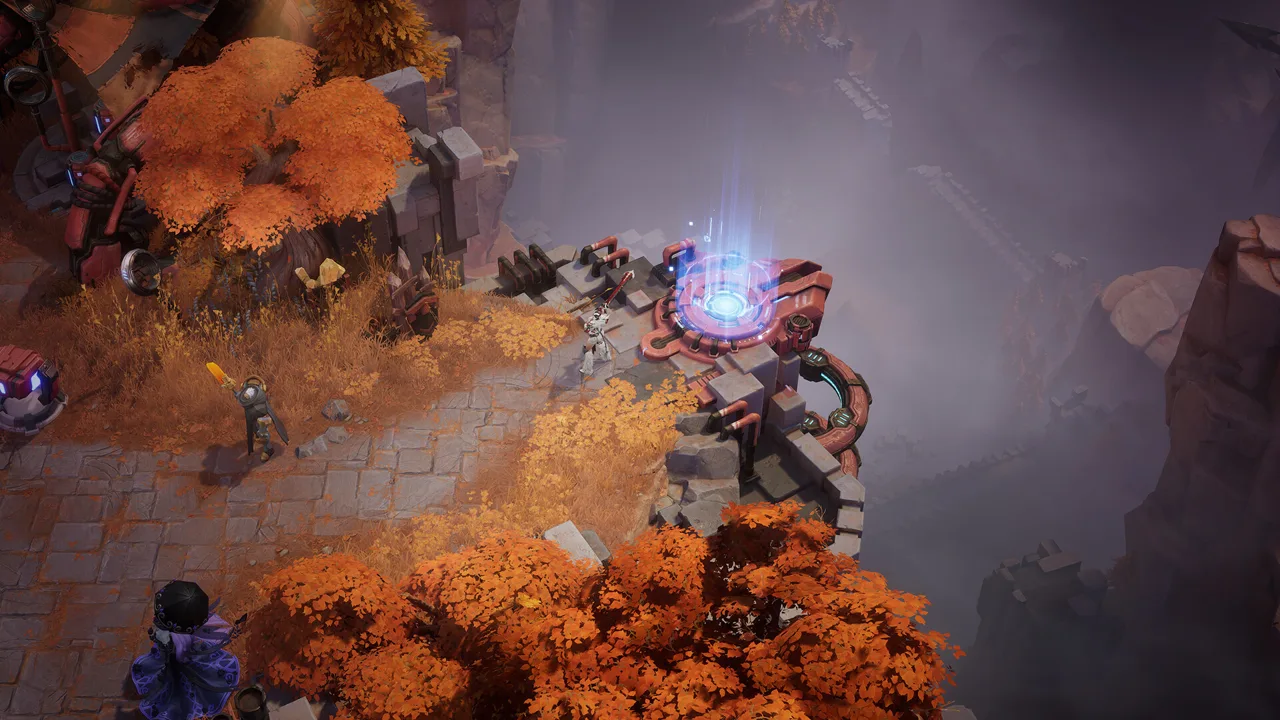
Is Torchlight: Infinite worth playing in 2026?
Is Torchlight: Infinite worth playing if you love chasing loot but get tired of managing everything between fights? Yes: its fast combat, extensive character customization, and convenient trading make it an appealing ARPG, provided you can accept paid advantages through Pactspirits. What makes Torchlight: Infinite worth playing is how smoothly those systems connect: clear monsters, collect loot, improve your build, and head back into the action.
The catch deserves equal attention. Pactspirit gacha affects character power and farming rewards, so purchases extend beyond cosmetics. Investing heavily in one character can also make switching builds expensive.
The Tartarus season launches Oct 16, bringing prison management, Followers, a new Youga Hero Trait, and several convenience improvements. That gives newcomers a fresh seasonal starting point and returning players specific additions to explore.
Download it for the combat and character progression. Decide whether to stay after experiencing the farming loop and seeing how its monetization fits your limits.
Fast Combat With Less Busywork
Torchlight: Infinite puts speed at the center of its combat. Builds can move quickly through enemy packs, combine attacks with movement, and automate skills to reduce repeated inputs.
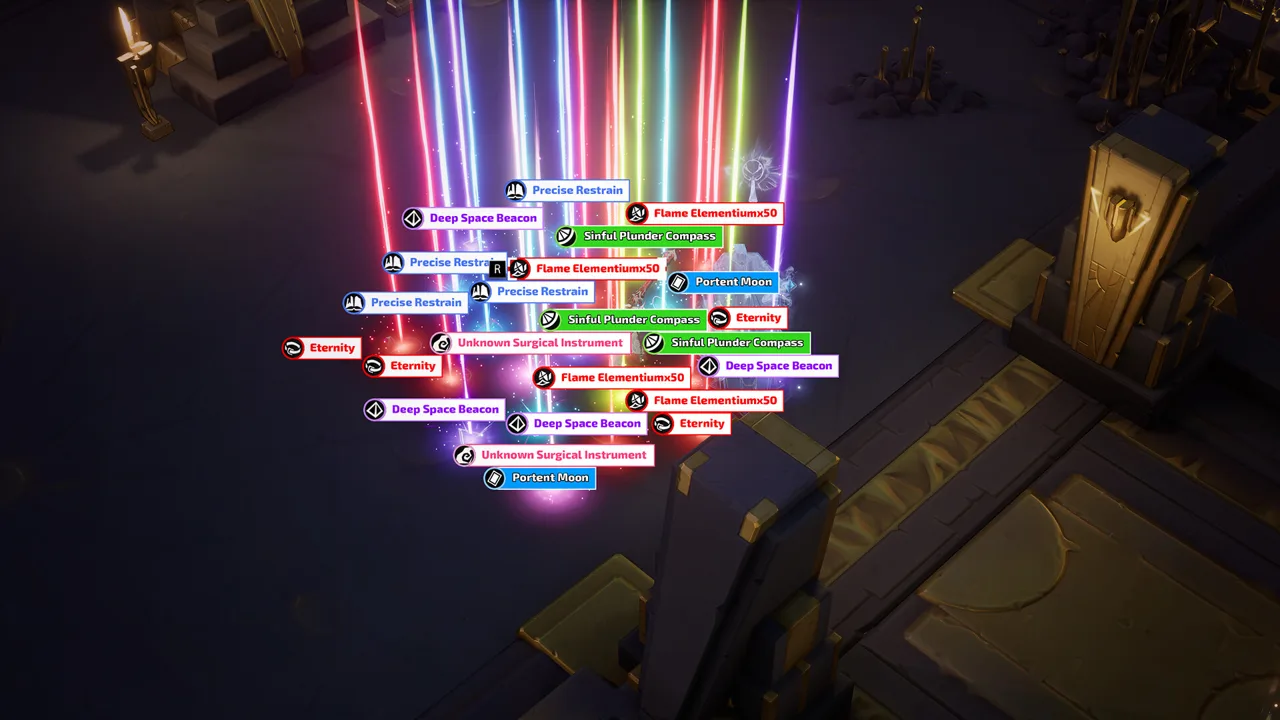 Image: Steam / XD
That automation matters when you spend a session running maps. Depending on the build, even your main attack can trigger automatically. Manual setups still have a place because automation can involve damage tradeoffs. Choose your preferred balance between active inputs and convenience.
Several smaller features also help keep the action moving:
| Feature | What it does |
|---|---|
| Dedicated loot button | Collects nearby items, with a hold option for repeated pickup |
| In-game Trade House | Lets you search for and purchase equipment without leaving the game |
| Training dummy | Displays damage output and helps you test build changes |
| Real-time character information | Shows changing offensive and defensive stats |
| Skill automation | Allows builds to trigger attacks and supporting abilities automatically |
Use the training dummy when changing a support skill, equipment piece, or talent setup. Compare the resulting damage and check whether the interaction you wanted actually activates. A promising item description is only part of evaluating an upgrade.
Mapping also offers choices between repeating a preferred layout and taking rotating options with additional rewards. That gives farming some flexibility: you can pursue a familiar route or change maps for an incentive.
The appeal is easy to understand if you enjoy Path of Exile’s rapid clearing and interconnected builds. Torchlight: Infinite delivers a similar appetite for optimization while putting trading and testing tools inside the game.
Those conveniences help make Torchlight: Infinite worth playing for long farming sessions. You still spend time planning a character, but many routine actions require fewer interruptions.
Build Depth and Crafting Give You Long-Term Goals
The character screen is only the beginning of progression. Equipment, linked skills, talent selections, Hero Memories, Soul Candles, and slates all contribute to your build.
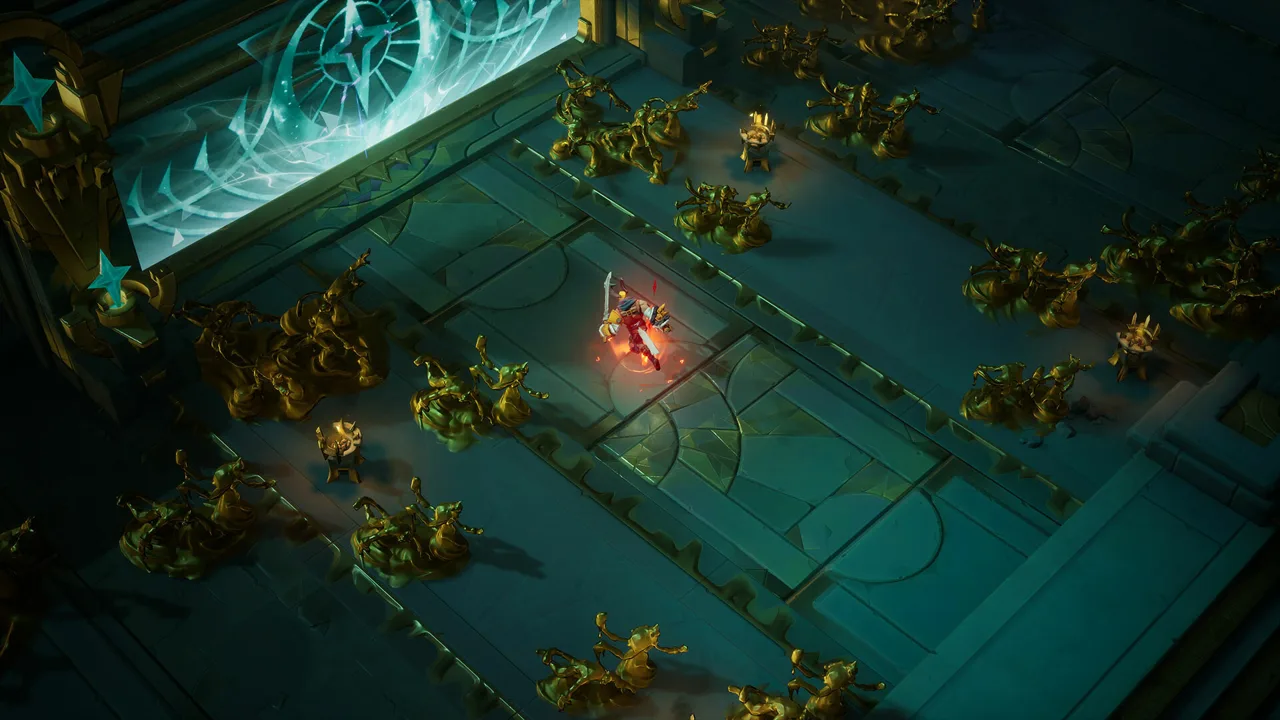 Image: Steam / XD
These systems create several places to look when progress slows. An equipment upgrade is one option; changing a skill interaction or rearranging talents provides another. You have more to investigate than simply replacing an item with a higher number.
| Progression system | What it contributes |
|---|---|
| Equipment crafting | Adjustable item stats and opportunities for incremental upgrades |
| Skills and supports | Combinations that change damage, behavior, and resource demands |
| Talent trees | Different paths and impactful specialization choices |
| Hero Memories | Additional rolled stats and character customization |
| Soul Candles | Bonuses paired with drawbacks |
| Slates | Extra stats and talent effects that expand build combinations |
Start by understanding your main damage skill and its supports. Then examine how the surrounding systems strengthen that setup. Changing everything at once makes it harder to understand which adjustment helped.
Soul Candles illustrate why reading the drawbacks matters. A powerful bonus can come with reduced resistances or another penalty. Check the resulting defensive stats before carrying an apparently stronger setup into harder content.
Crafting supports gradual investment. Standard gear crafting lets you review a result and retain the existing stat instead of accepting an unwanted replacement. You can work toward better modifiers while continuing to use the item.
That makes the upgrade process approachable, but it still consumes resources. Improve the modifiers your build actually uses before chasing perfect rolls across every equipment slot.
For players who enjoy persistent optimization, these interconnected systems make Torchlight: Infinite worth playing beyond the campaign. There are multiple ways to improve a character, with enough interactions to reward careful planning.
The same investment creates a drawback: changing characters can hurt your finances. Selling crafted equipment does not guarantee recovering what you spent, and trading taxes further reduce the proceeds. Keep your existing gear until you understand what replacing the build will cost.
Pactspirit Gacha Is the Main Tradeoff
Torchlight: Infinite’s monetization includes Pactspirits, often called pets. Their benefits include combat power and improved loot rewards. That makes spending relevant to progression and farming efficiency.
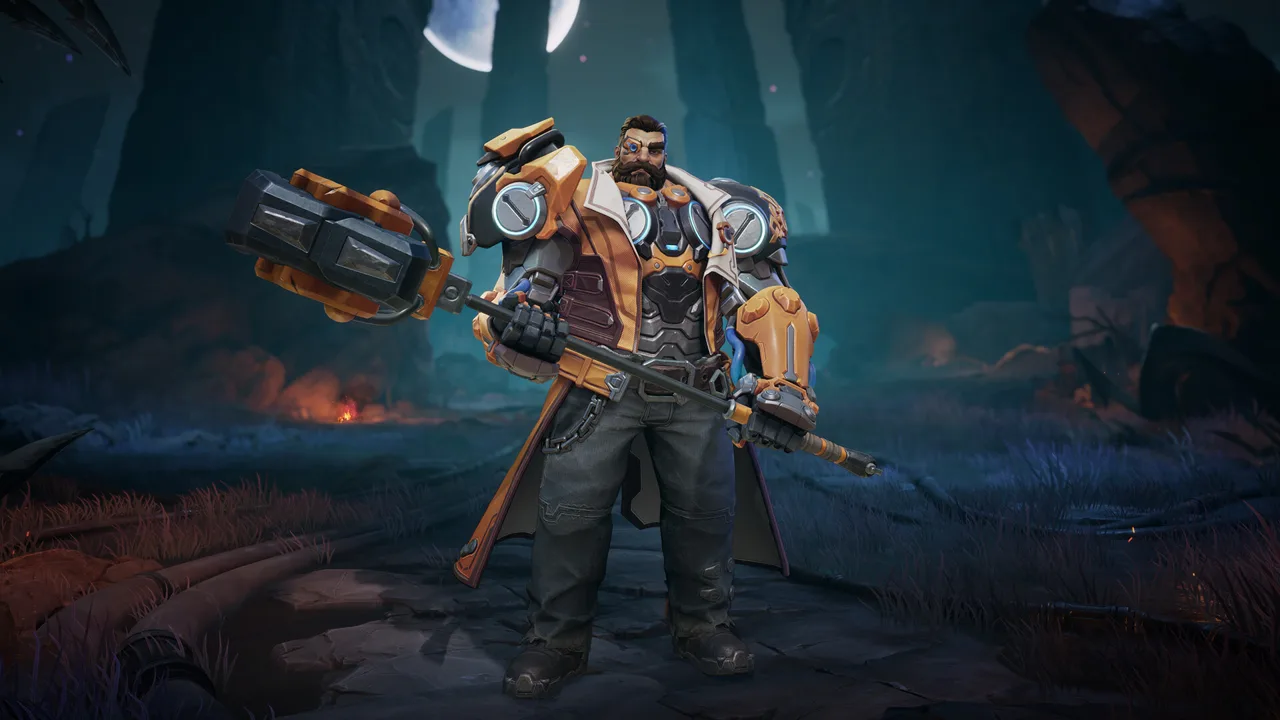 Image: Steam / XD
The practical question is how much that affects your enjoyment. Clearing content without paying and farming as efficiently as a heavily invested account are different goals.
| Monetization element | What to understand |
|---|---|
| Battle Pactspirits | Provide benefits connected to combat power |
| Drop Pactspirits | Improve rewards associated with farming |
| Free seasonal rewards | Include Pactspirits, draws, and event rewards |
| Pactspirit upgrades | Add another layer of investment beyond acquiring a pet |
| Cosmetic purchases | Include appearance options, separate from gameplay bonuses |
Free rewards give you access to parts of the Pactspirit system. Tartarus includes a Legendary Drop Pactspirit Selection Pack for signing in seven days straight, plus seasonal events offering 30 Legendary Battle Pactspirit draws.
Keep the distinction between those rewards clear: a selection pack lets you choose within its offered options, while draws involve random rewards. Neither means every Pactspirit arrives fully upgraded.
Is Torchlight: Infinite worth playing as a free-to-play player? Yes, if you enjoy building a character and progressing without treating maximum farming efficiency as a requirement. Set a spending limit before engaging with random purchases, and use earned rewards before deciding whether any purchase adds enough value.
If paying for loot or power advantages already bothers you, that issue will remain relevant even when the combat feels excellent.
Other drawbacks deserve attention, too. Some older mechanics have awkward English wording, and the number of overlapping systems can make item interactions difficult to understand. Read modifiers carefully and test changes with the tools available.
Visual customization is another consideration. Equipment upgrades do not consistently transform your character’s appearance; outfits carry much of that role. If collecting visible armor sets is central to your enjoyment, keep that limitation in mind.
What Tartarus Adds—and How to Start
Tartarus gives returning players more than a new reward track. Its central mechanic combines Netherrealm hunting with a prison-management cycle, while Followers introduce another progression system.
| Tartarus addition | What changes |
|---|---|
| Prison management | Capture fugitives, collect Prisoner Nameplates, and manage inmates through a 20-day sentence cycle |
| Prison riot | Fight the resulting threats and collect Warden’s Caches |
| Followers | Recruit allies with Tartarus Skills and attached Support Skills |
| The Ultimate One | Gives Youga a new Hero Trait with three development paths |
| Trade House improvements | Adds condition filters and preset sharing |
| Mapping conveniences | Adds favorites and presets for compasses and map materials |
The prison mechanic asks you to develop inmates before the riot. Different prisoner types interact through a hierarchy, and strengthening inmates can produce Chromatic Prisoners. Prison Incidents and Torture Instruments add further decisions during the cycle.
Followers add another set of build choices. Their skill drops arrive with random Support Skills attached, and higher-ranked Followers can equip more skills. Compare those combinations against your character’s needs rather than judging an ally solely by rank.
Youga’s The Ultimate One provides a separate reason to return if you enjoy exploring Hero Traits. Its Clockwork Core connects three development paths, giving the character a different direction from his parallel-self summoning theme.
The season also improves existing systems. Afterlight becomes core content with its own Talent Constellation, Memory Revival results can be rerolled, and loot drops resolve faster. These changes add reasons to revisit familiar progression.
For newcomers, the extra systems can wait until you understand your character. Follow this starting sequence:
- Choose a playstyle you want to repeat. Decide whether you prefer active attacks, summons, or an automated setup before investing heavily.
- Read the relevant skill and talent interactions. Identify how your damage scales and what resources your setup requires.
- Test upgrades individually. Use the dummy and character information to compare results.
- Pick a farming mechanic to learn. Focus on understanding its rewards before dividing your resources among several systems.
- Claim seasonal rewards. Complete the seven-day sign-in requirement if you want the Legendary Drop Pactspirit Selection Pack.
- Evaluate purchases after mapping. Experience the repeatable gameplay before committing money.
Tartarus makes Torchlight: Infinite worth playing again if prison management, Followers, or Youga’s new trait interests you. Its convenience changes also give existing players practical improvements to explore.
Start through the official Torchlight: Infinite website or play Torchlight: Infinite on Steam.
FAQ
Is Torchlight: Infinite worth playing without spending money?
Yes. Free play includes character building, mapping, and seasonal mechanics, while seasonal rewards provide access to Pactspirits and draws. Paid Pactspirits still affect power and loot efficiency. Enjoy the progression at your own pace, and decide whether those advantages bother you before spending.
Is Torchlight: Infinite similar to Path of Exile?
Yes. Linked skills, extensive build customization, crafting, trading, and repeatable endgame maps create familiar territory for Path of Exile players. Torchlight: Infinite places particular emphasis on fast clearing and convenient in-game tools.
Does Torchlight: Infinite support PC and mobile play?
It is available on Windows PC, iOS, and Android. Steam includes partial controller support. Choose the platform you prefer for managing equipment, reading modifiers, and running maps.
What makes Torchlight: Infinite worth playing long term?
Its layered progression gives you equipment, skills, talents, and additional character systems to optimize. Seasonal mechanics introduce new activities. The lasting appeal depends on whether you enjoy repeated farming enough to accept the Pactspirit monetization and the cost of changing heavily invested builds.
Continue with
 Torchlight: Infinite Beginner Guide: 12 Starter TipsThis Torchlight: Infinite beginner guide covers hero traits, skills, gear, and Tartarus basics to help you clear the campaign and prepare for endgame play.
More in Guides
Torchlight: Infinite Endgame Guide: Progress and Farm
Use this Torchlight: Infinite endgame guide to plan Netherrealm progression, farm Flame Elementium, prepare for bosses, and tackle the Tartarus season.
Torchlight: Infinite Leveling Guide: Campaign to Maps
Torchlight: Infinite leveling guide covering campaign XP, Treasure Troves, early maps, and affordable gear upgrades. Save currency and push toward endgame.
Torchlight: Infinite Multiplayer: Co-Op & Loot Guide
Explore Torchlight: Infinite multiplayer, including co-op teams, loot distribution, gifting, and cross-platform play. Plan your run with a friend today.
Torchlight: Infinite Pay to Win: What Spending Buys
Is Torchlight: Infinite pay to win? Learn how Pactspirits affect damage, farming, and free progression, plus what Tartarus rewards mean for your season.
Join the community
Game links and player communities: