
Torchlight: Infinite Multiplayer: Co-Op & Loot Guide
Explore Torchlight: Infinite multiplayer, including co-op teams, loot distribution, gifting, and cross-platform play. Plan your run with a friend today.
Jump to
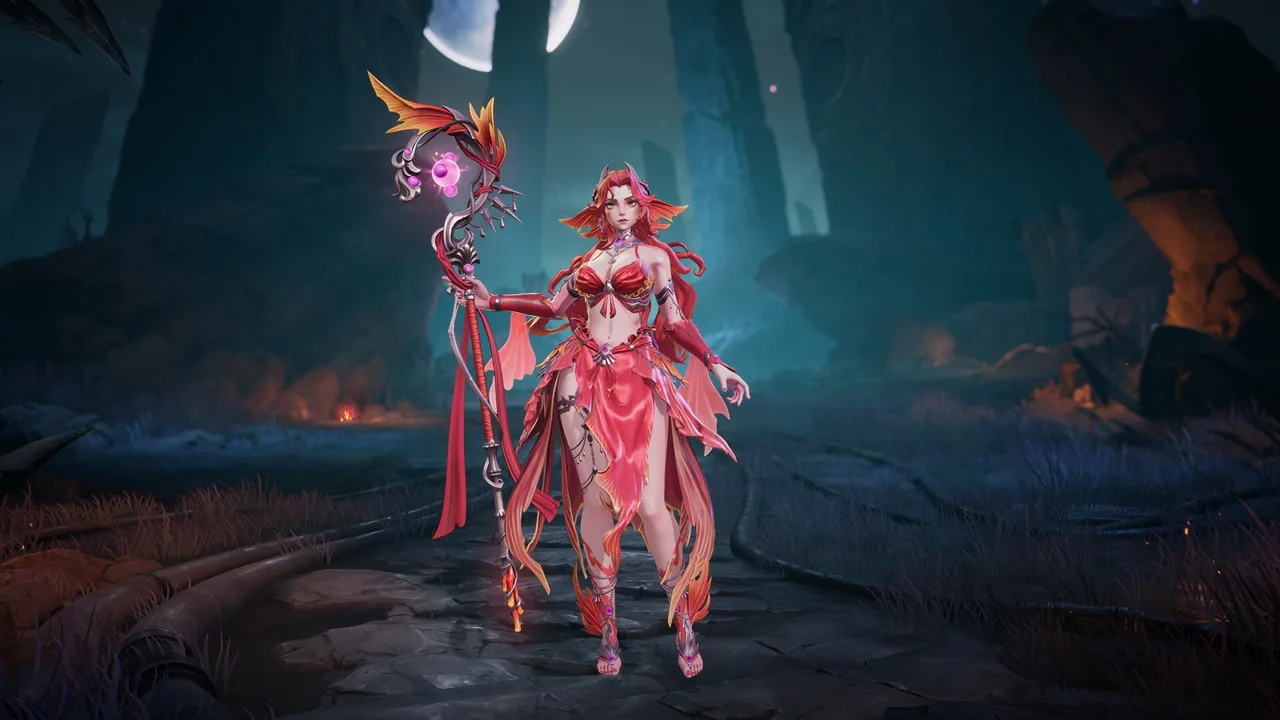
Does Torchlight: Infinite Have Multiplayer?
Torchlight: Infinite multiplayer lets you bring a friend into the action through online co-op. Playing together adds shared combat and loot decisions to a game built around fast fights, character builds, and repeat farming. Before starting Torchlight: Infinite multiplayer, separate three features that shape your session: cooperative combat, cross-platform support, and item trading.
The game supports single-player, online co-op, and cross-platform multiplayer. Its Trade House also connects players through an equipment economy, giving you another way to find upgrades beyond your own drops.
| Feature | What it offers |
|---|---|
| Single-player | Play through the game on your own |
| Online co-op | Fight alongside another player |
| Cross-platform multiplayer | Multiplayer support across platforms |
| Trade House | Buy and sell equipment within the player economy |
| Gifting | Send an item to another player, with delivery through in-game mail |
These features serve different purposes. Buying an upgrade through the Trade House is an economic interaction; joining another Hunter puts you together in combat. Keep that distinction in mind when planning an evening around dungeon runs rather than shopping for equipment.
For the PC version, you can download Torchlight: Infinite on Steam. The game is free to play.
Team Size, Leadership, and Map Costs
The Preseason team-up trial used two-person teams in the Netherrealm, including Plane Watchers and Travelers of The Realms. The Hunter who created the team became its leader.

That version matters when discussing Torchlight: Infinite multiplayer rules: its team size, entry costs, and loot settings belong to a specific Preseason implementation. Later co-op gameplay also featured two players fighting together.
The trial gave the leader control over several practical decisions:
| Preseason rule | How it worked |
|---|---|
| Party size | Two Hunters |
| Team leader | The Hunter who created the team |
| Supported encounters | Netherrealm, including Plane Watchers and Travelers of The Realms |
| Stage-opening costs | Paid entirely by the leader |
| Loot distribution | Selected and changeable by the leader |
| Party scaling | Slightly increased drops and XP, with additional monster maximum Life |
| Nightmare access | Only the leader could enter the Nightmare map |
The leader-only entry cost is especially relevant when spending beacons or tickets. Under these trial rules, the guest did not pay the stage-opening cost.
Discuss who will lead before spending entry materials. Put the Hunter supplying those materials in charge of opening the stage, and agree on the loot setting before combat begins.
Party scaling also changes how you should judge a run. The trial increased both rewards and monster maximum Life, so adding another Hunter did not simply double damage against unchanged enemies.
Compare how comfortably your duo handles enemies before committing more entry materials. If fights drag on, inspect both builds rather than assuming a second character automatically makes every encounter faster.
The Nightmare restriction illustrates why encounter rules deserve attention. In that Preseason version, forming a team did not give both Hunters access to every activity inside a run.
How Loot Distribution and Gifting Work
Loot settings are one of the most useful parts of Torchlight: Infinite multiplayer to understand before entering a stage. In the Preseason trial, the leader could switch distribution methods at any time.

A change notified the other team member immediately, but it did not change ownership rights for items already on the ground.
| Trial loot setting | Initial pickup rights | When other eligible teammates gained access |
|---|---|---|
| Team Distribution | Rotated automatically among teammates in the stage | After more than two minutes, or when the assigned Hunter left the stage |
| System Distribution | Rotated automatically among teammates in the stage | When the assigned Hunter left the stage |
| Free Distribution | Available to all teammates in the stage immediately | Access was shared from the moment the item dropped |
For Team Distribution and System Distribution, Hunters entering after an item dropped were excluded from the later release of its pickup rights.
The important difference between the two rotation systems is the timer. Team Distribution included a two-minute release condition; System Distribution used the assigned Hunter leaving the stage as its release condition.
Choose the distribution method before opening valuable content. If you want immediate shared access, select Free Distribution where those trial settings apply. If you want pickup rights to rotate, compare the two release rules before choosing.
Also, leave existing drops out of any mid-run agreement about a new setting. Changing distribution affected future drops, not the items already waiting to be collected.
Sending equipment to your partner
Gifting provides another way to help a friend with equipment. The player interaction menu includes a Gift option, and a gifted item can arrive through in-game mail after a delay.
After sending equipment, have the recipient check their mail. Do not assume the item will appear directly in their inventory.
Keep these actions separate:
- Loot distribution controls who can collect drops during a stage.
- Gifting sends an item to another player.
- Trade House transactions let you buy and sell equipment through the economy.
Understanding those differences makes Torchlight: Infinite multiplayer much easier to manage when one Hunter finds something the other wants.
Prepare Your Builds and Keep Runs Moving
Your duo does not need two different heroes. Both Hunters can play Frostbitten Heart Gemma together, so choosing the same character does not prevent cooperative play.
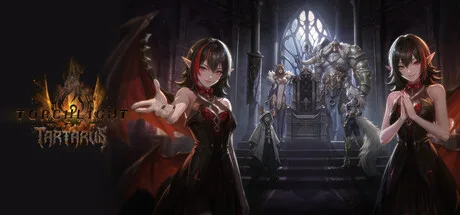 Image: Steam / XD
Build your character around its own damage and defenses before worrying about an elaborate party composition. Shared combat can divide enemy attention, but dangerous attacks still demand movement and defensive investment.
Dodge persistent hazards even when your partner has enemy attention. Another Hunter on screen is useful; it does not make standing inside an attack safe.
Coordinate movement and damage
Erika emphasizes movement, while Frostbitten Heart Gemma offers a different combat style centered on ice. When pairing characters with different movement speeds, agree on whether you are heading straight toward the boss or stopping for encounters along the route.
That small conversation prevents a familiar co-op problem: one Hunter reaches the next fight while the other is still collecting loot or interacting with a mechanic.
In Torchlight: Infinite multiplayer, plan your route around the activity you actually want to complete. Clear enemies on the way to the boss when boss progression is the goal. Stop together when an encounter rewards additional kills or requires an interaction.
Organize your loot filter
The game includes loot filters through the Build tab in the main menu.
Set your filter before starting a farming session. Keep the items relevant to your build visible, then review equipment between runs instead of stopping after every fight.
Batching character maintenance also helps keep a duo together. Allocate accumulated talent points and inspect upgrades during an agreed break, rather than leaving your partner waiting through repeated menu visits.
Match your pace to your defenses
Treasure Troves provide leveling opportunities and a way to farm specific unique items. Use them when you need experience or a particular unique, then return to progression with that goal in mind.
For Hardcore characters, give defensive decisions extra attention. Freeze effects can help control enemies, but build around the Life, Energy Shield, and equipment interactions your character actually uses.
Check what an item changes before equipping it. A powerful offensive piece that reduces your Life can require a different defensive setup. A partner cannot compensate for a build whose defenses no longer support the content.
Tartarus, Followers, and the Trading Economy
The Tartarus season launches on October 16, adding prison management, a new Follower progression system, and changes to equipment trading.
These systems give you additional character goals alongside Torchlight: Infinite multiplayer. Keep their functions clear when deciding what to work on between co-op sessions.
| Tartarus feature | What it adds |
|---|---|
| Prisoner Nameplates | Collected by hunting escaped inmates in the Netherrealm |
| Prison management | A 20-day sentence cycle involving inmates, instruments, and prison incidents |
| Prison riot | A concluding battle for Warden's Caches |
| Followers | Recruitable allies with Tartarus Skills and attached Support Skills |
| The Ultimate One | A new Hero Trait for Spacetime Witness Youga |
| Trade House improvements | Condition filters and shareable presets |
Followers and human teammates
Followers are recruitable allies with their own progression. Letters of Introduction from the interrogation room bring new recruits, and higher-ranked Followers can equip more skills.
Their Tartarus Skills arrive with random Support Skills attached, adding another set of combinations to evaluate for your build.
Choose Follower skills around what your character needs. Compare the skill and its attached supports together rather than judging the main skill alone.
Keep Follower progression separate from your plans with another player. Recruiting an ally develops that system; inviting a friend creates a human co-op session.
Use the Trade House with a specific upgrade in mind
Tartarus adds condition filters and preset sharing to the Trade House. Those tools help organize searches in an economy built around many different hero builds.
Identify the equipment properties your build needs before browsing. Then use condition filters to narrow the search instead of buying an item solely because it has an appealing rarity or damage modifier.
Share a search preset when helping your partner shop for a particular upgrade. That gives you a concrete starting point for discussing equipment rather than relying on a vague description.
Torchlight: Infinite multiplayer works more smoothly when both Hunters arrive prepared: choose your combat goal, agree on loot handling, and finish equipment changes before opening the next stage.
FAQ
Does Torchlight: Infinite multiplayer support online co-op?
Yes. Torchlight: Infinite supports online co-op as well as single-player. Cooperative gameplay lets Hunters fight together, while the Trade House provides a separate way to interact through buying and selling equipment.
How many players were allowed in the Preseason team-up trial?
The Preseason trial allowed two-person teams in the Netherrealm, including Plane Watchers and Travelers of The Realms. The Hunter who created the team became its leader.
Who paid map costs in the team-up trial?
The leader paid stage-opening costs, including beacons or tickets. The other team member did not pay those entry costs under the Preseason rules.
Where do gifted items arrive?
Gifted equipment can arrive through in-game mail after a delay. Have the recipient check their mailbox after you use the Gift option, rather than looking only in their inventory.
Continue with
 Torchlight: Infinite Pay to Win: What Spending BuysIs Torchlight: Infinite pay to win? Learn how Pactspirits affect damage, farming, and free progression, plus what Tartarus rewards mean for your season.
More in Guides

Torchlight: Infinite Beginner Guide: 12 Starter Tips
This Torchlight: Infinite beginner guide covers hero traits, skills, gear, and Tartarus basics to help you clear the campaign and prepare for endgame play.
Torchlight: Infinite Endgame Guide: Progress and Farm
Use this Torchlight: Infinite endgame guide to plan Netherrealm progression, farm Flame Elementium, prepare for bosses, and tackle the Tartarus season.
Torchlight: Infinite Leveling Guide: Campaign to Maps
Torchlight: Infinite leveling guide covering campaign XP, Treasure Troves, early maps, and affordable gear upgrades. Save currency and push toward endgame.
Torchlight: Infinite Worth Playing? Pros, Cons & Gacha
Is Torchlight: Infinite worth playing? Explore fast combat, deep builds, Pactspirit gacha, and Tartarus changes before joining the seasonal loot grind.
Join the community
Game links and player communities: